
Welcome to episode two of The Workshop! Today’s episode is part one of a two-part series, titled, The Master’s Tools.
When we talk about liberation, what exactly is it that we are trying to liberate ourselves from?
And are there systems that constrain activist organisations from pursuing liberation as something tangible, experienced, and sustainable?
The organisations in which we locate ourselves hold people and orientations of work that are close to our hearts. At the same time, there is a reality that, for as long as we remain oblivious to it, prevents us from stepping into radical imaginations of alternative realities.
The system, sometimes referred to as the NGO industrial complex, in its collusion with governments, development agencies and philanthropy, is just another way in which colonisation has reinvented itself in what some folks might refer to as the post-colonial era.
Over this and a follow up episode, I want to shed some light on the history, the power frameworks, and also some patterns of lived experience I have witnessed among activists working in organisations that expose age-old colonial tactics for inventing and perpetuating logics of oppression.
In Part 2 of this series, The Master’s Tools, we will explore just five strategies, tried and tested over 500 plus years of European expansion into the rest of the world, that were used to erase, pillage and oppress whole peoples, that characterize the structures and experiences of non-governmental and non-profit organisational work today.
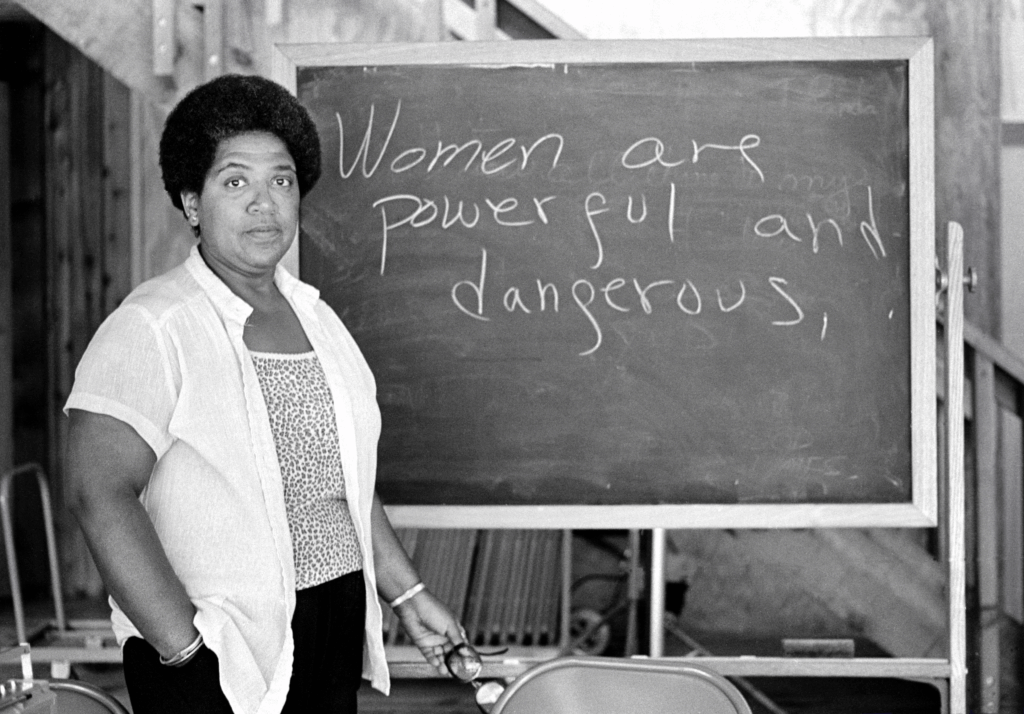
But before we dive in, I want to use this episode to frame this discussion with the radical intervention made by Audre Lorde, in her speech at an academic conference organised by the New York Institute for the Humanities in 1984. It is a speech, turned essay, titled, ‘The Master’s Tools Will Never Dismantle the Master’s House.’
Resources:
Audre Lorde’s full speech, ‘The Master’s Tools Will Never Dismantle the Master’s House.’